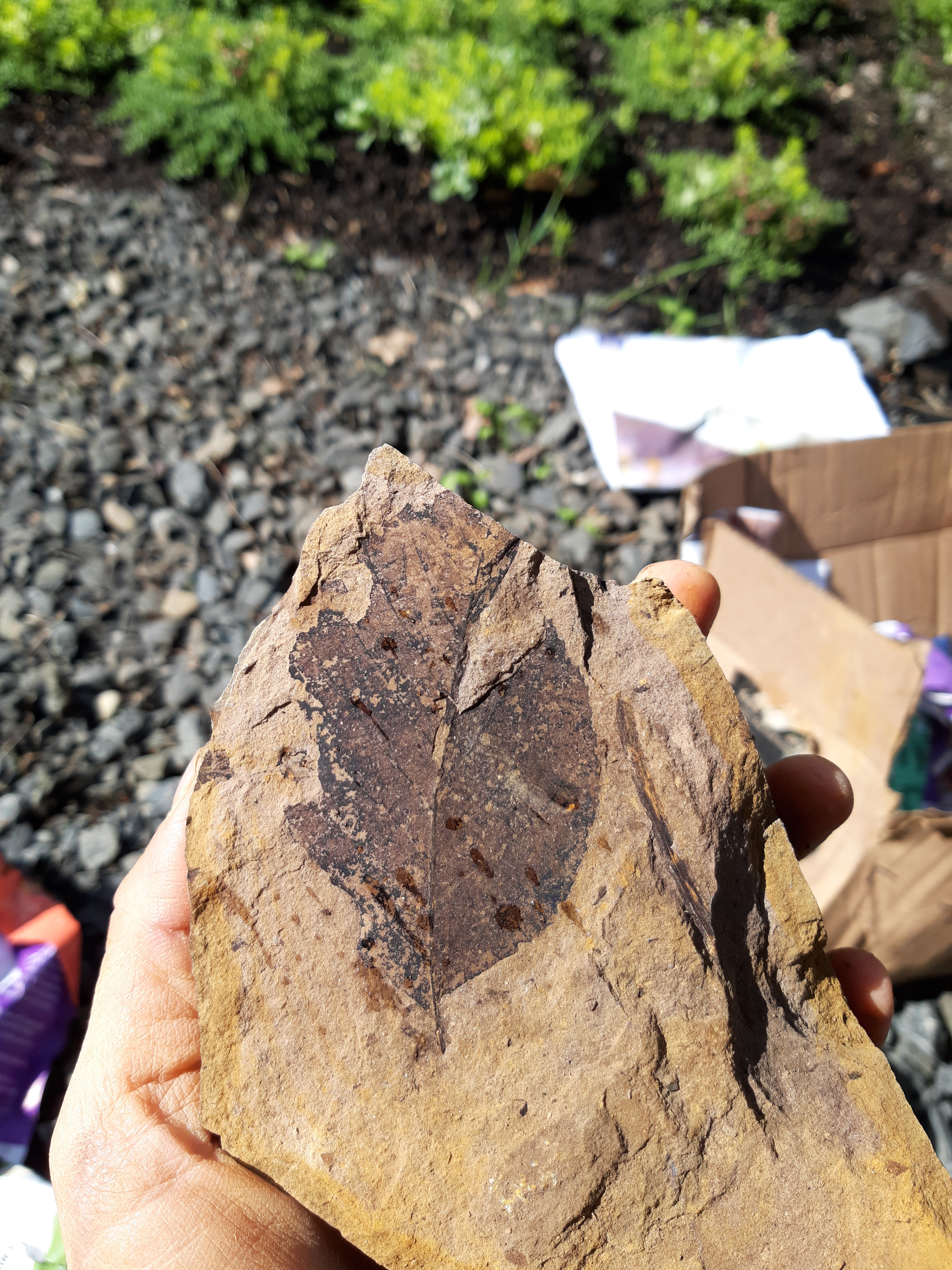
What a shock! That plant is locked in a rock.

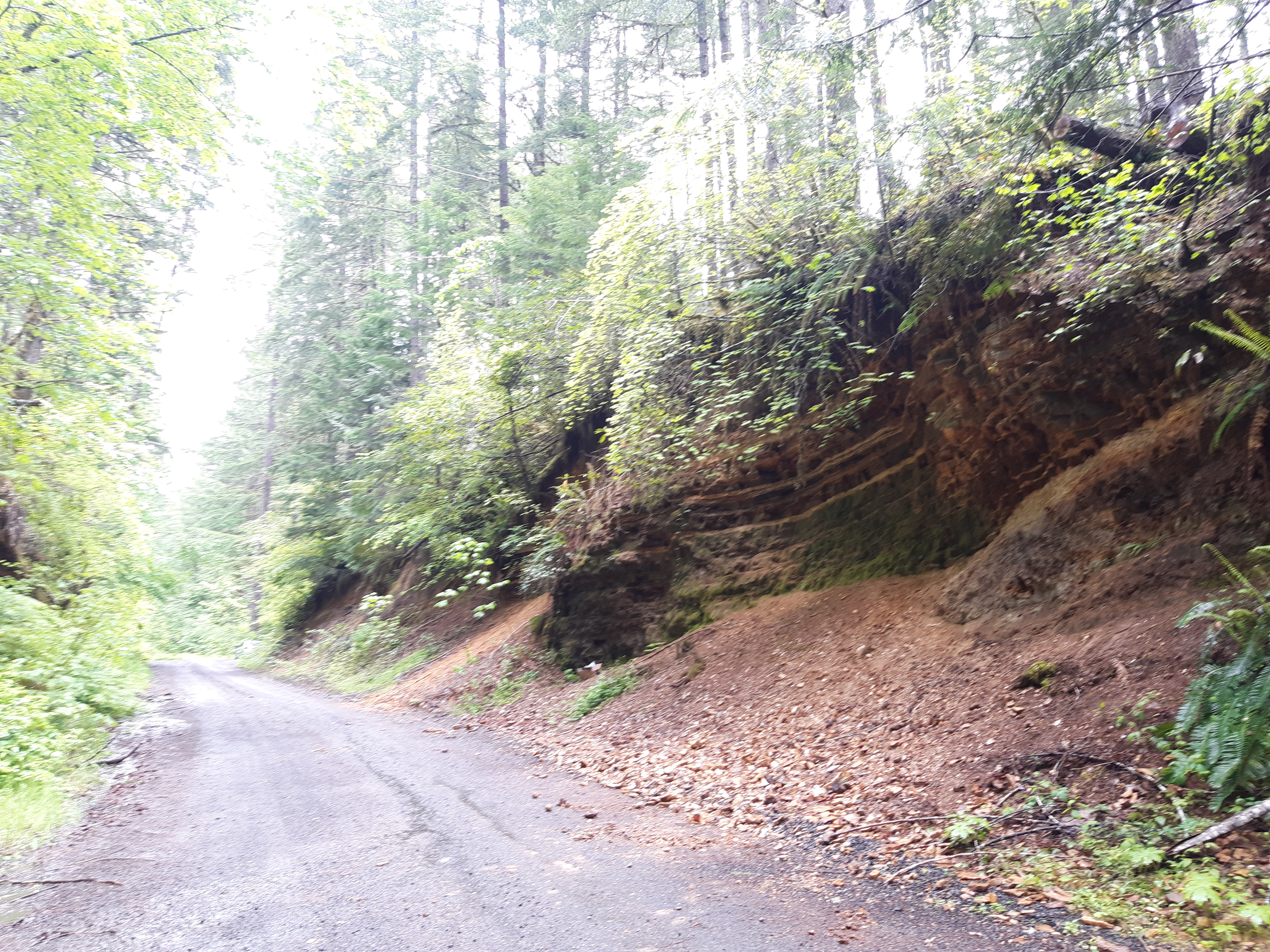
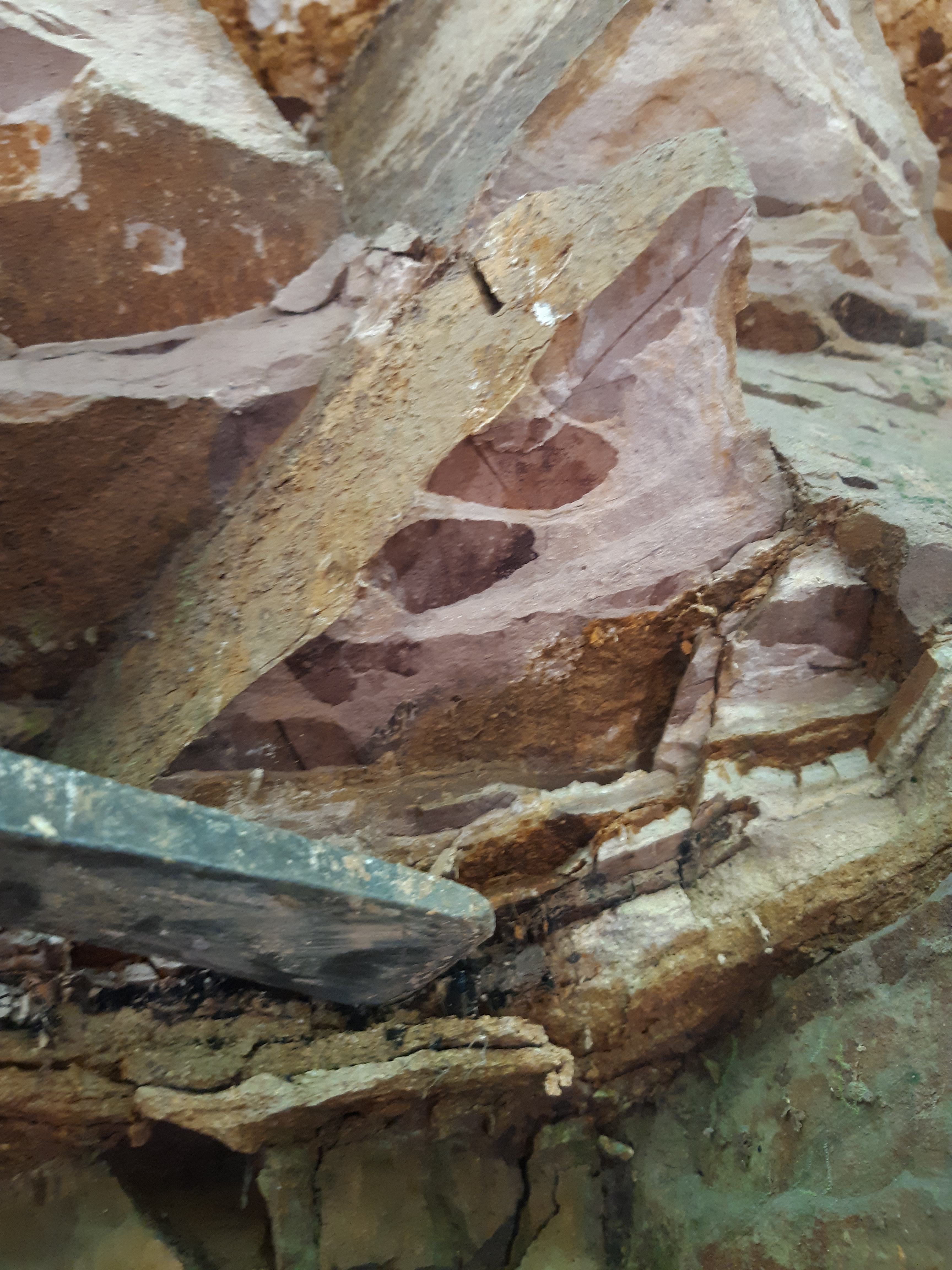
~30 million year old leaf impression fossils of plants from the Rujada Flora from a forest roadcut through the Fisher Formation near Cottage Grove, Oregon. Specimens include leaves of sumac (Rhus varians), alder (Alnus carpinoides), tanoak ( Notholithocarpus simulans), and dawn redwood (Metasequoia occidentalis)!

The Oligocene (~30 Ma) Rujada flora (42 spp.) and the nearby Willamette flora (40 spp.) are dominated by oak (Quercus consimilis) and alder (Alnus heterodonta). The occasional fossil salamander (Palaeotaricha oligocenica) and caddis fly cases of Metasequoia needles (ichnogenus Folindusia) have also been collected in the area.

These leaves fell into and were preserved in an ancient lake. Burial in lake sediments inhibited the decay of organic carbon in the leaves, which makes for exceptional preservation today. A recent roadcut exposed these ancient rocks. Thanks!

The study of paleobotany can help us understand how plants adapted to climate change millions of years ago, which can inform our predictions of how plants today may respond to modern climate change.

Fascinating fossils

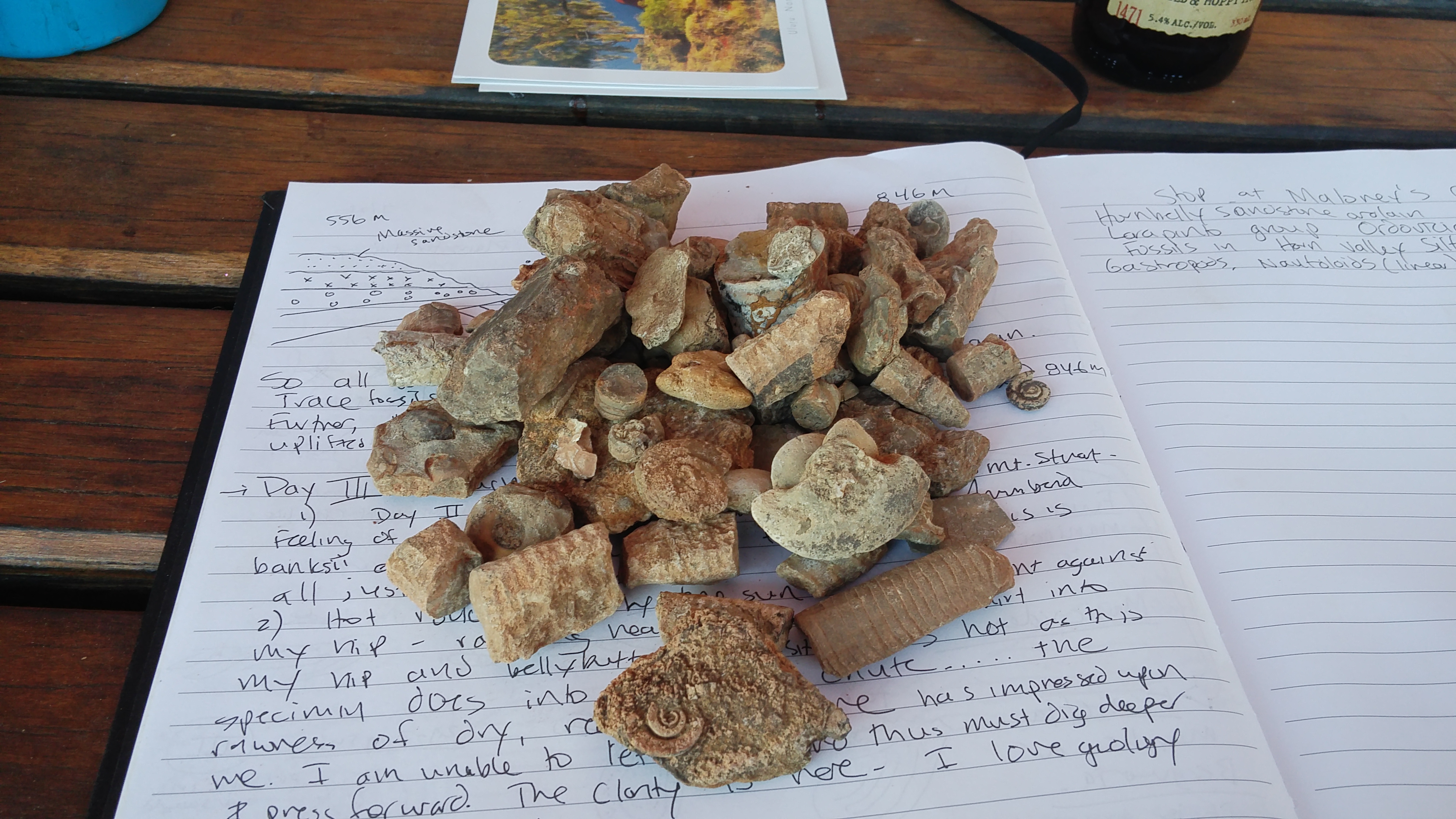
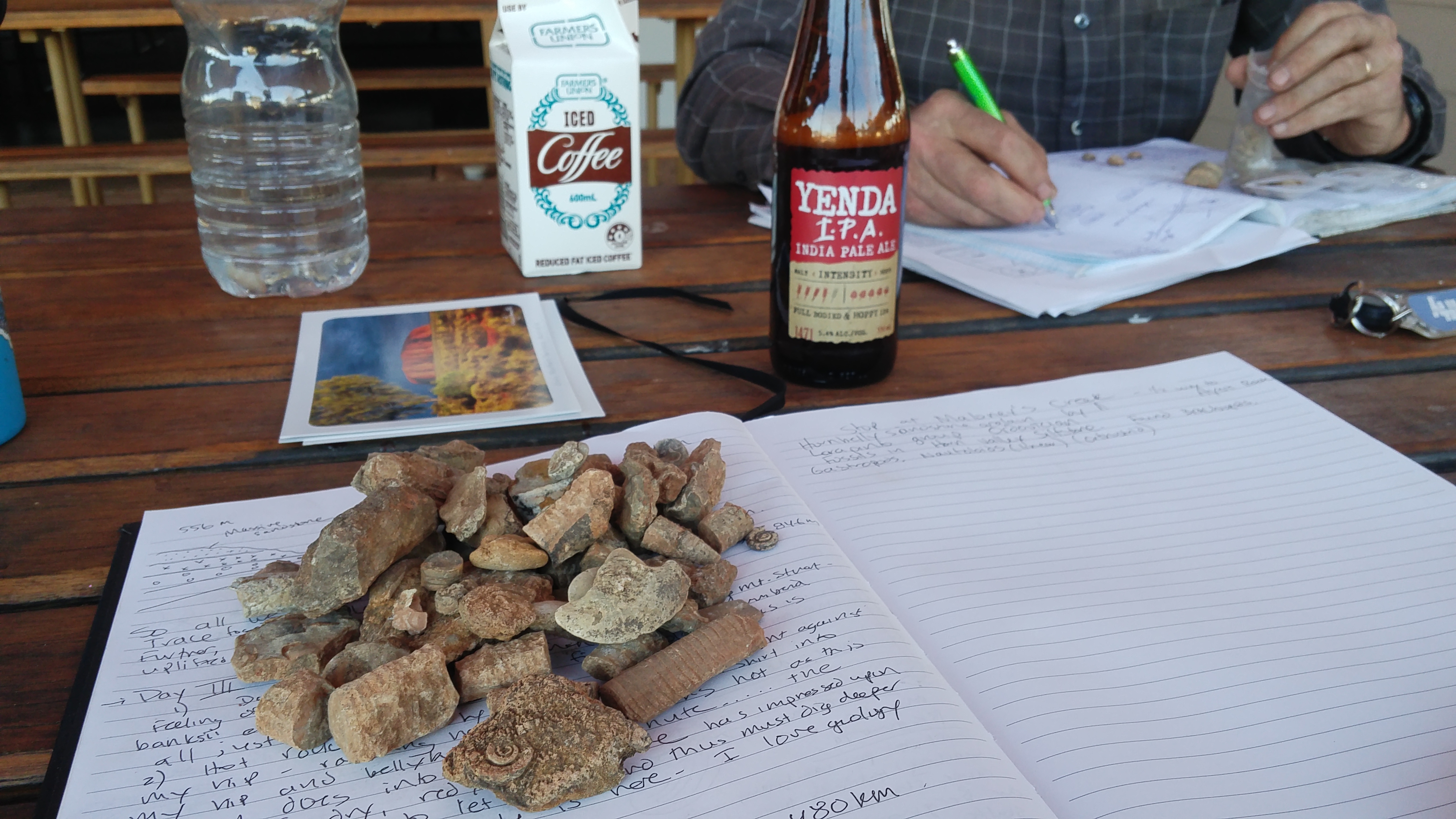
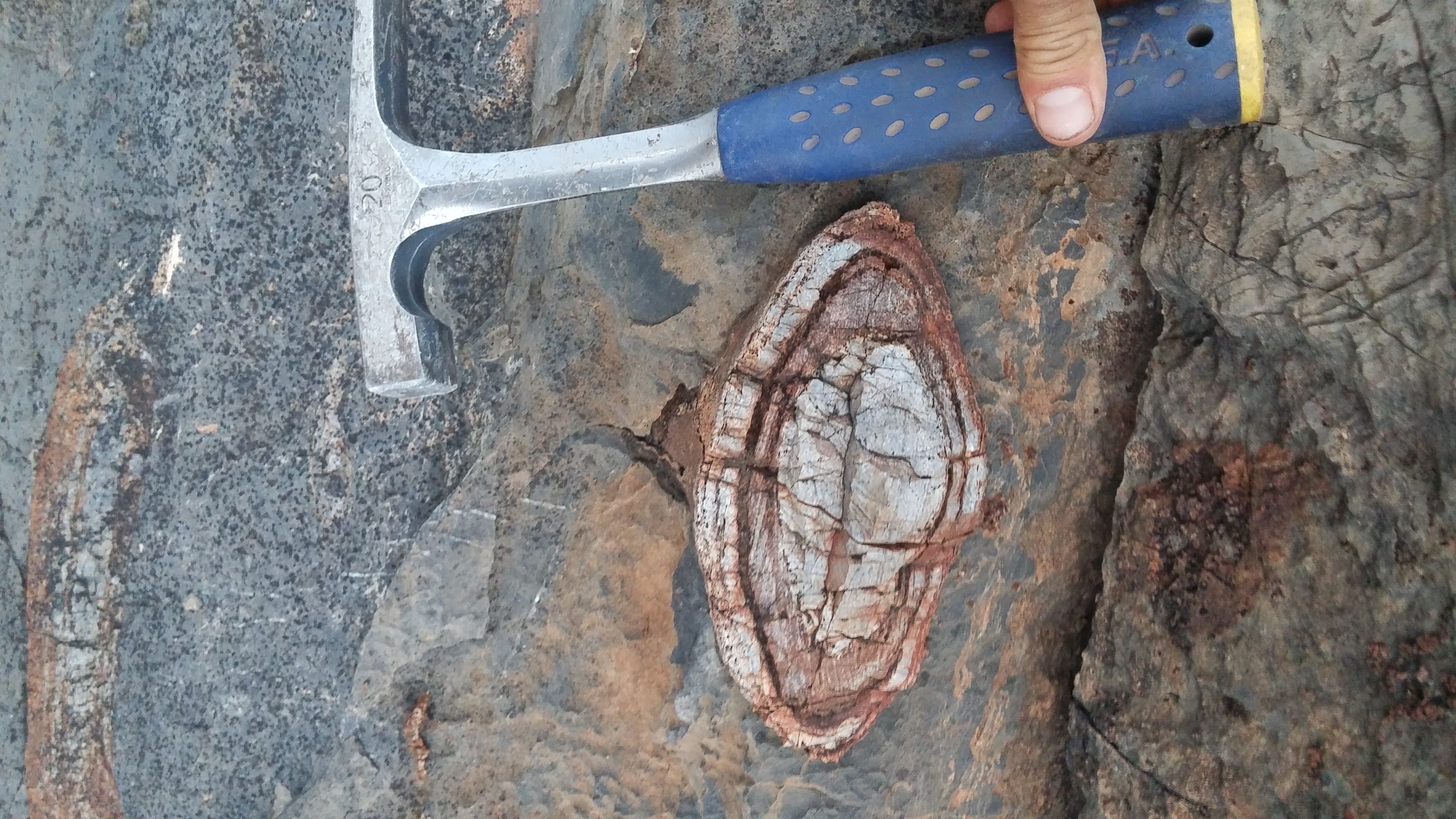
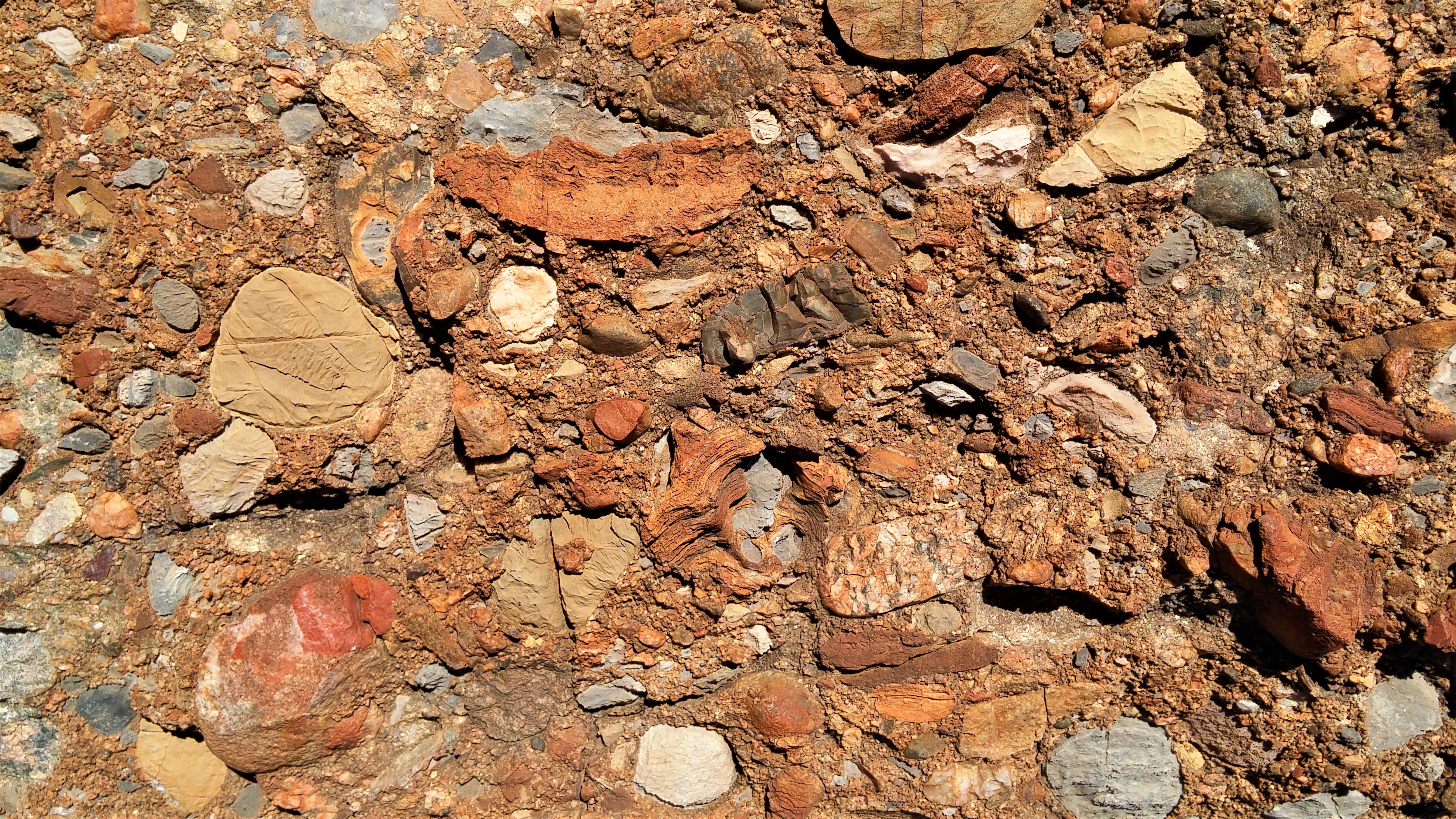
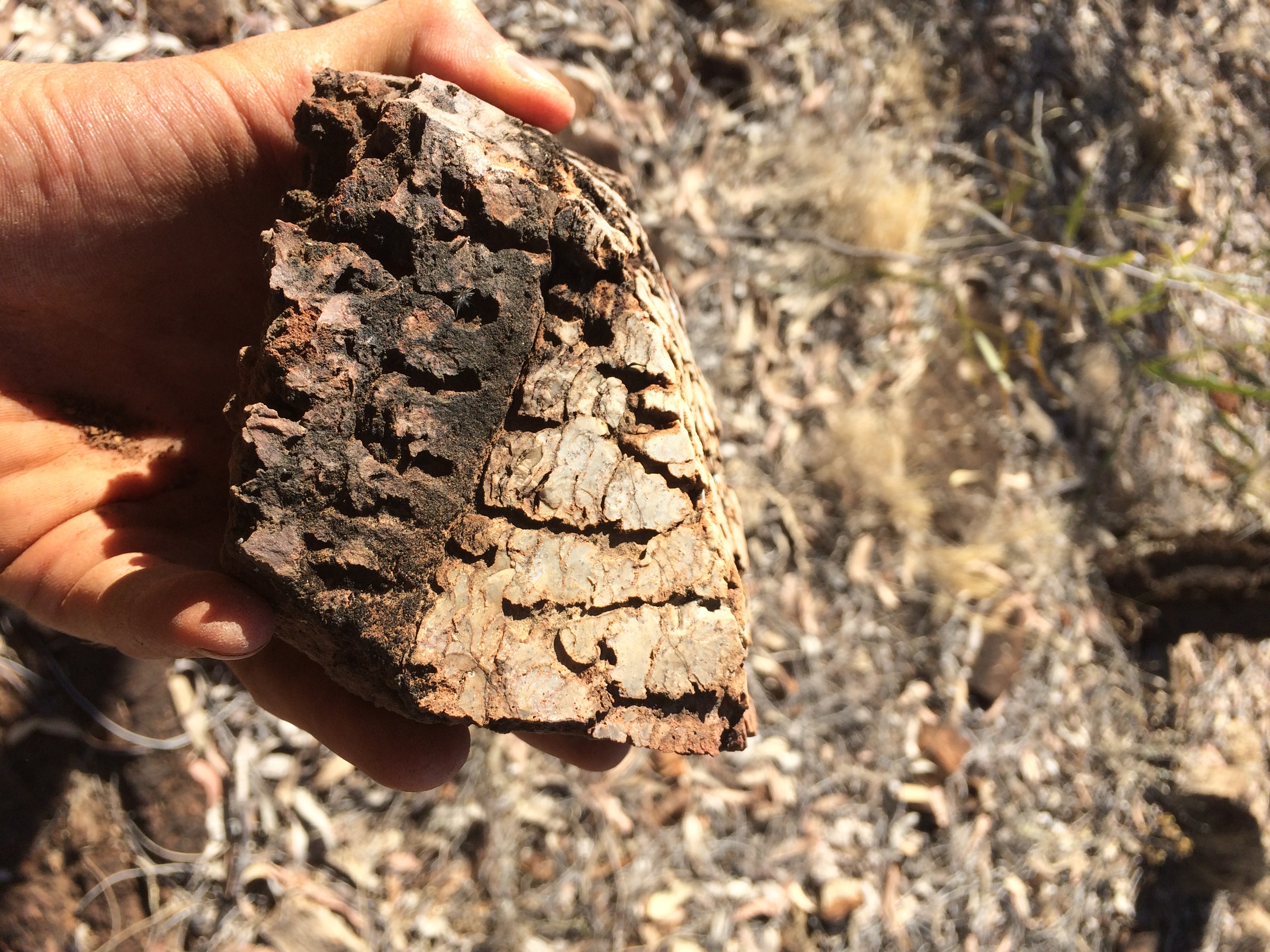
A few specimens acquired in the Amadeus Basin, near Alice Springs, Northern Territory, Australia, and range in age from ~380 Ma – 1 Ga.

Massive upload July 2019 2350
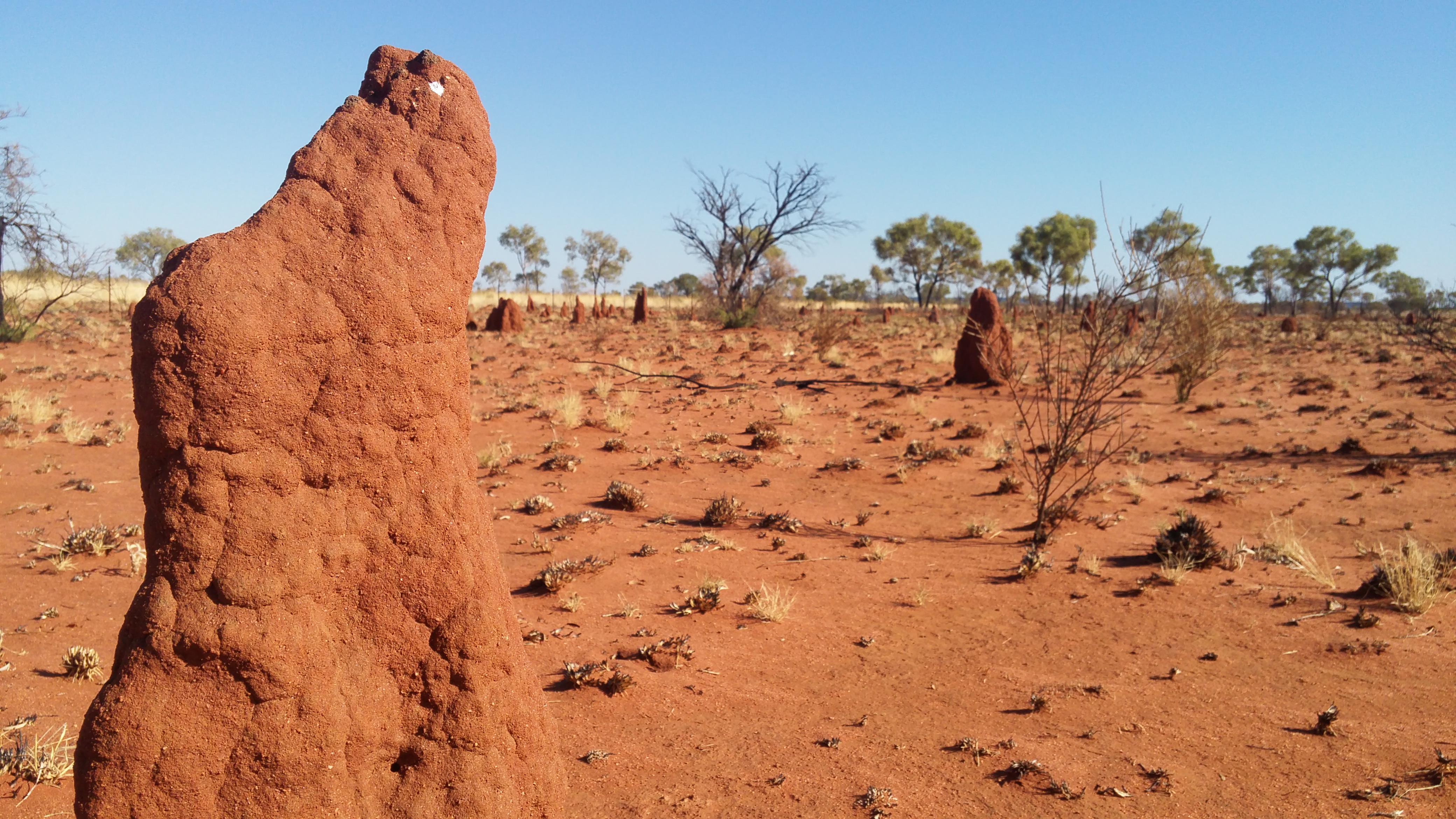
Termites are incredible organisms. Many species are farmers: they gather plant material, bring it back to their fungi-colonized mound (usually Ascomycota), let the fungi digest the plant, then eat the fungi.

Massive upload July 2019 2351

Massive upload July 2019 2369
Nautiloids from the Ordovician Stairway Sandstone, Maloney Creek, Northern Territory

Massive upload July 2019 2379Massive upload July 2019 2380Massive upload July 2019 2430

Massive upload July 2019 2445
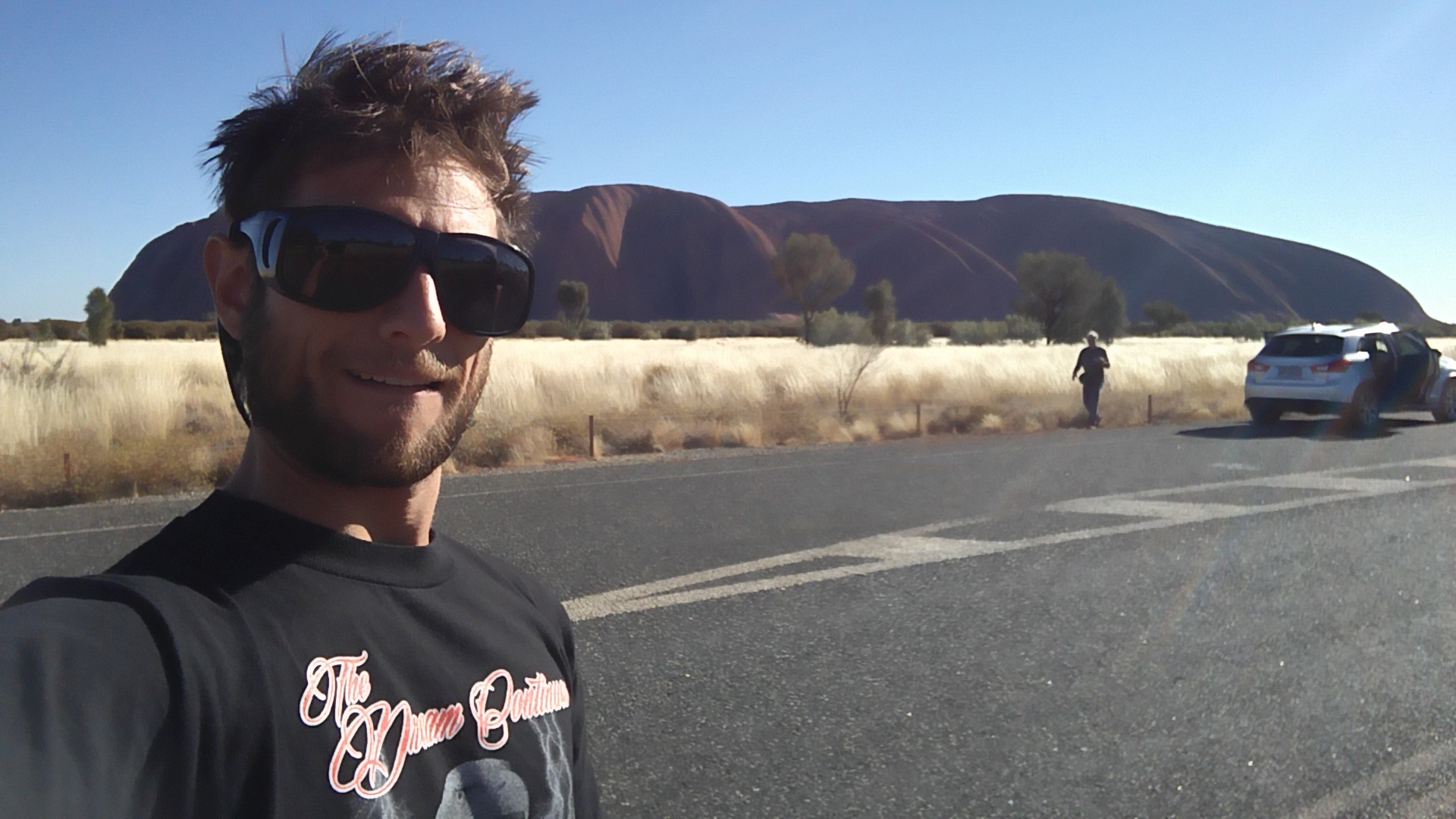
Uluru (Ayers Rock), a Precambrian (550 Ma) monolith

Massive upload July 2019 2800
Unknown fossil

Massive upload July 2019 2803
Ordovician (~460 Ma) clams, Mount Watt, Northern Territory. The furthest I have ever been from home. -25.33063687950072, 133.89224836154077

Massive upload July 2019 2805

Massive upload July 2019 2812
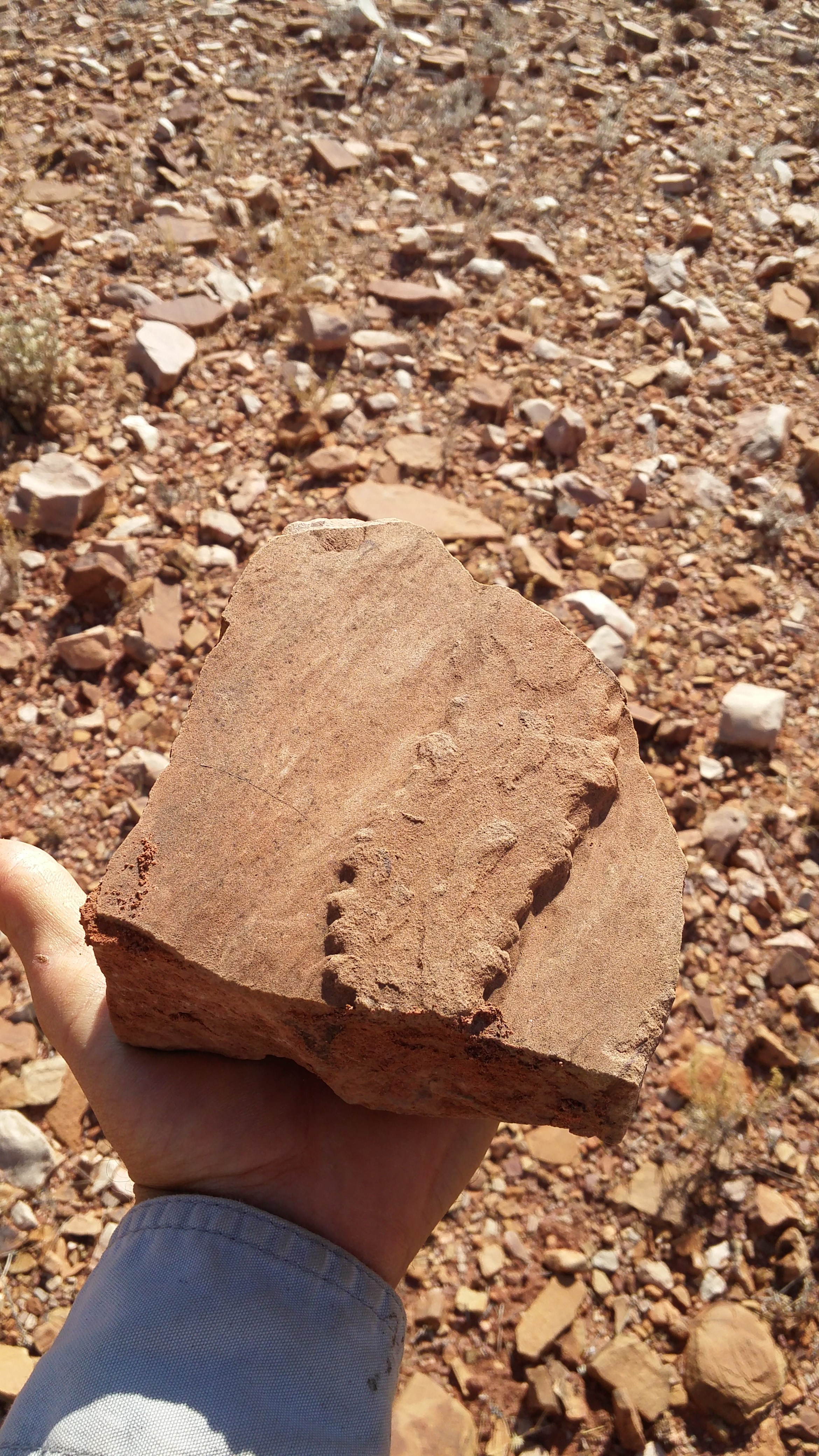
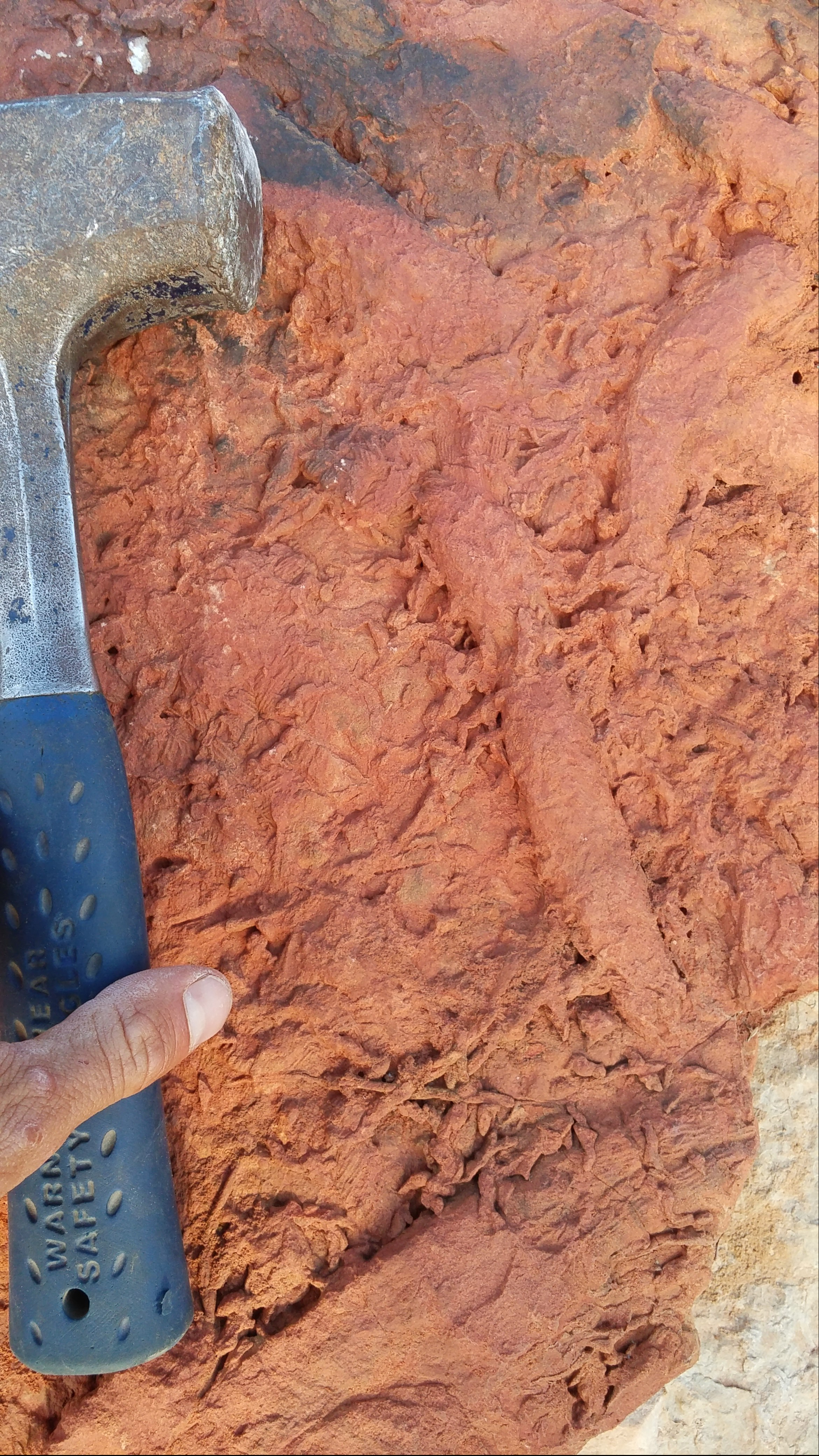
Trilobite trails (Cruziana), subsurface burrows of one of the earliest animals, Ordovician Mount Watt, Northern Territory

Massive upload July 2019 2814
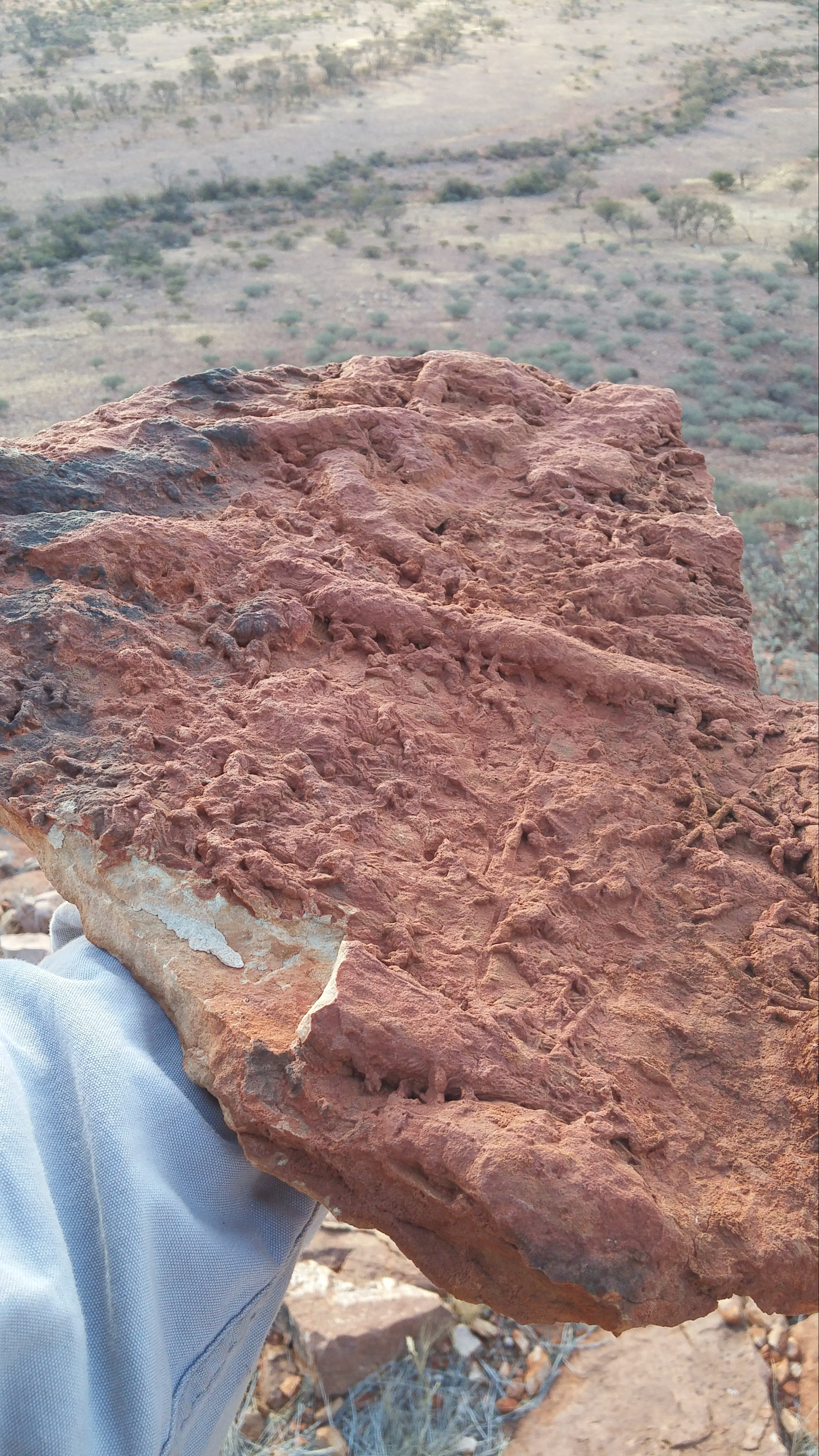
Ancient seafloor with Cruziana

Massive upload July 2019 5445
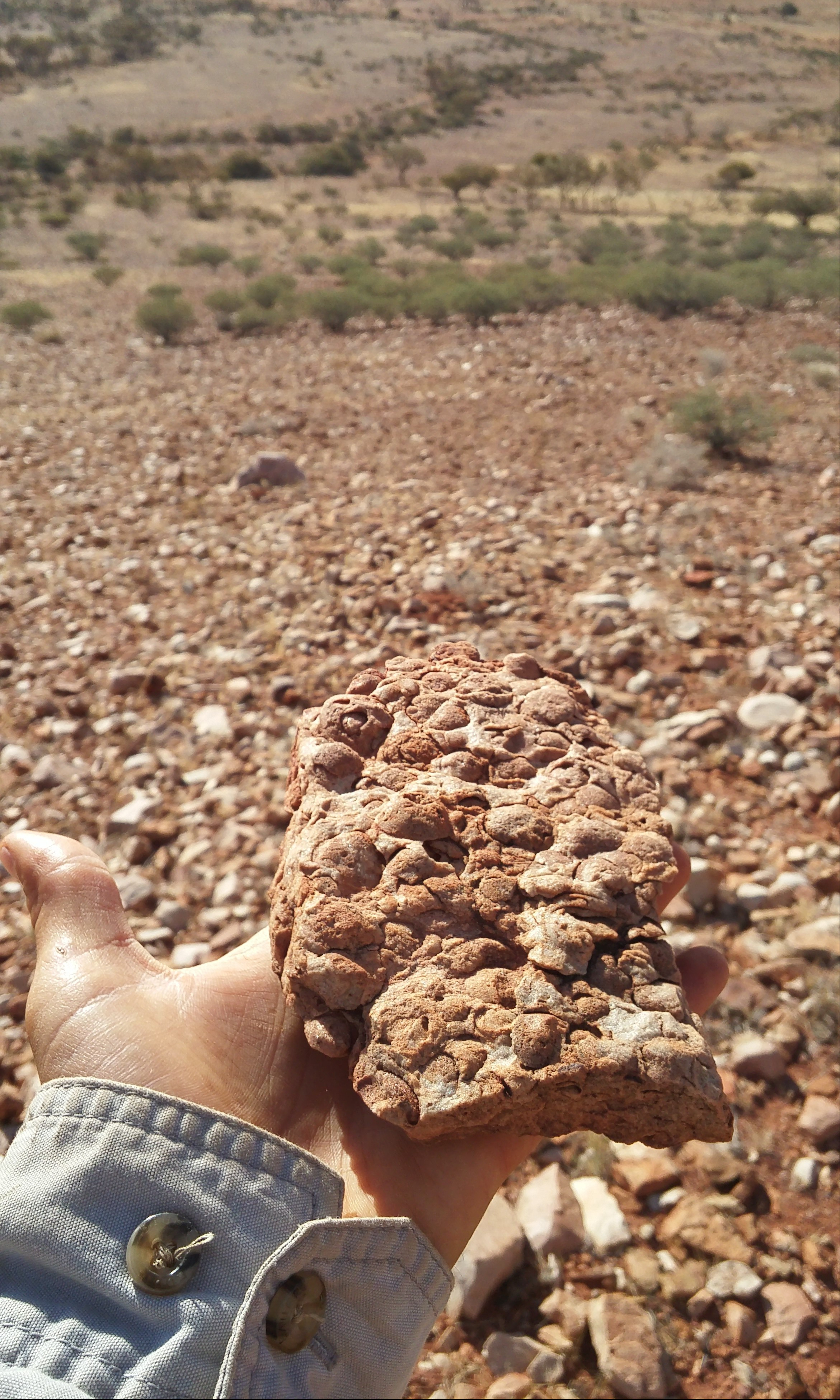
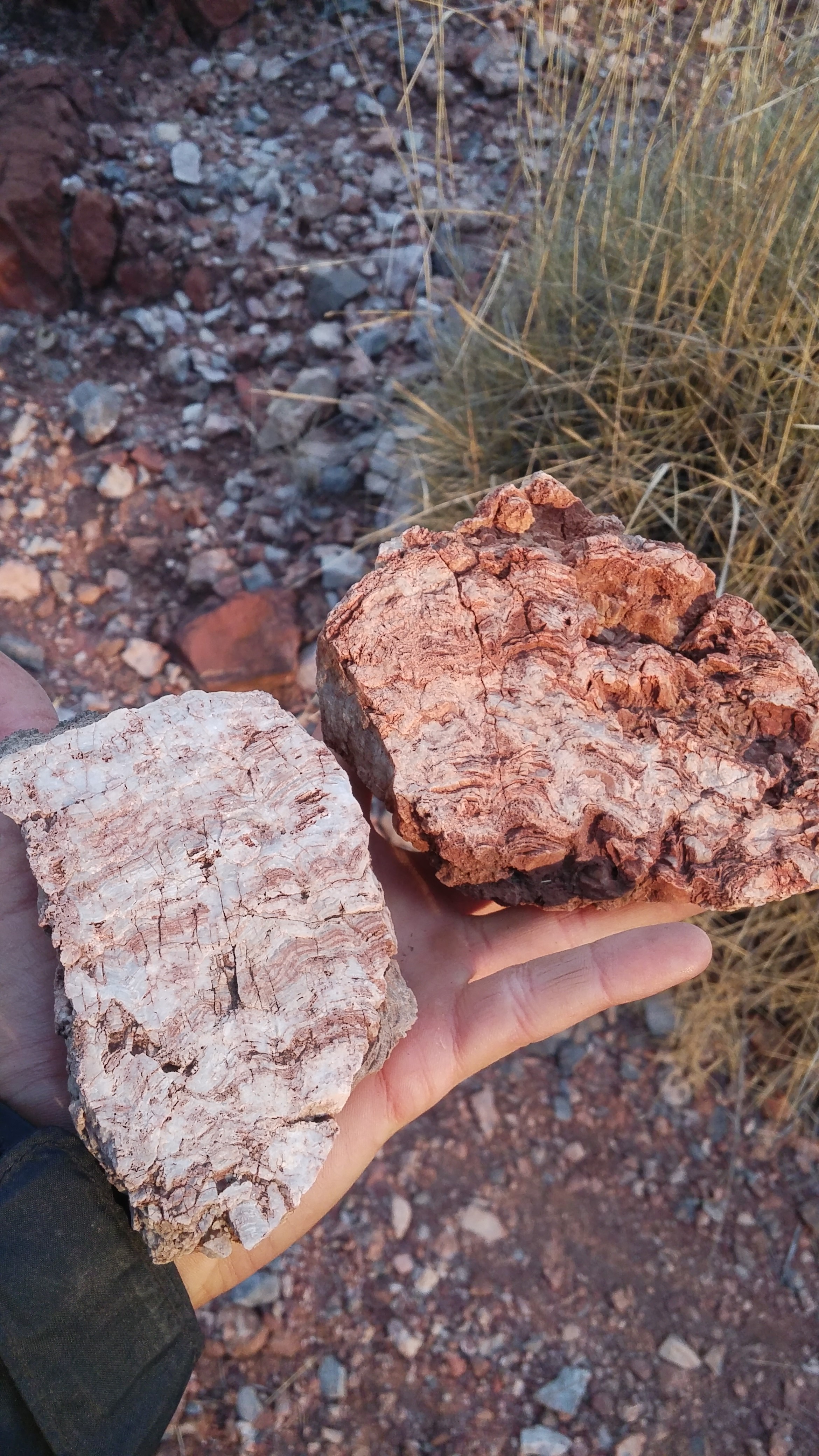
Stromatolites (ID?) from the Johnny’s Creek Member of the  ~770 Ma Bitter Springs Formation, Northern Territory

Massive upload July 2019 5451
No idea, ID?

Massive upload July 2019 5459
“Dalmation” rock, a limestone, Johnny’s Creek Member of the Neoproterozoic Bitter Springs Formation: Interesting sedimentary texture, possibly altered by methanogens.

Massive upload July 2019 5468

Massive upload July 2019 5480
Glacier rock: Conglomerate, diamictite and
sandstone of the 720 to 660 Ma “snowball earth” Areyonga Formation. It appears to be stromatolitic.

Summer 2018 - Australia 105
ID?

Summer 2018 - Australia 140
Early Cambrian (~520 Ma) Bunyerichnus sp. Ross River, Northern Territory

Summer 2018 - Australia 166
Nuclear control rod

Summer 2018 - Australia 177
 Inzeria intia stromatolite from the 1 Ga Bitter Springs Formation.Summer 2018 - Australia 179

Searching for signs of life in ancient Mars soils

Adrian Broz, Greg Retallack, Briony Horgan, Lucas Silva, and Matt Polizzotto

Sequence of ~33 million year old clay-rich fossil soils (paleosols) at the Painted Hills, John Day Fossil Beds National Monument, Oregon (Photo: Jamie Francis). These paleosols are similar in mineral composition (lots of hydrated clays) and  stratigraphic distribution to clay-rich areas on Mars at Mawrth Vallis, Nili Fossae, Oxia Planum, and elsewhere. Importantly, the ExoMars 2020 rover is going to Oxia Planum, which is a westward extension of the Mawrth Vallis clay layers.

Across ancient surface environments of Mars, Where are the best places to search for past signs of life? Where are you most likely to find something interesting, if it is there?

Mars offers the tantalizing prospect of being the most immediate and accessible location to test the hypothesis that life has existed elsewhere. Current and planned missions to Mars are investigating clay-rich areas (dioctahedral and trioctahedral phyllosilicate clay-rich rocks), but it is not well understood which types of clays (there are many types) are best at preserving organic matter or other biosignatures over geological time scales.

This research seeks to prioritize locations for in-situ biosignature detection (Curiosity and Mars 2020) and Mars Sample Return. Our approach is to examine clay-rich paleosols on Earth that are strikingly similar in clay mineralogy and stratigraphy to clay sequences that have been detected on Mars. Stay tuned for future updates.

                                                                             CLAY!

Sticky, slimy stuff….

Clays are cool because:

1) Their mineralogy can record the aqueous history of a given location by constraining the temperature, pH and water:rock ratio during clay formation.

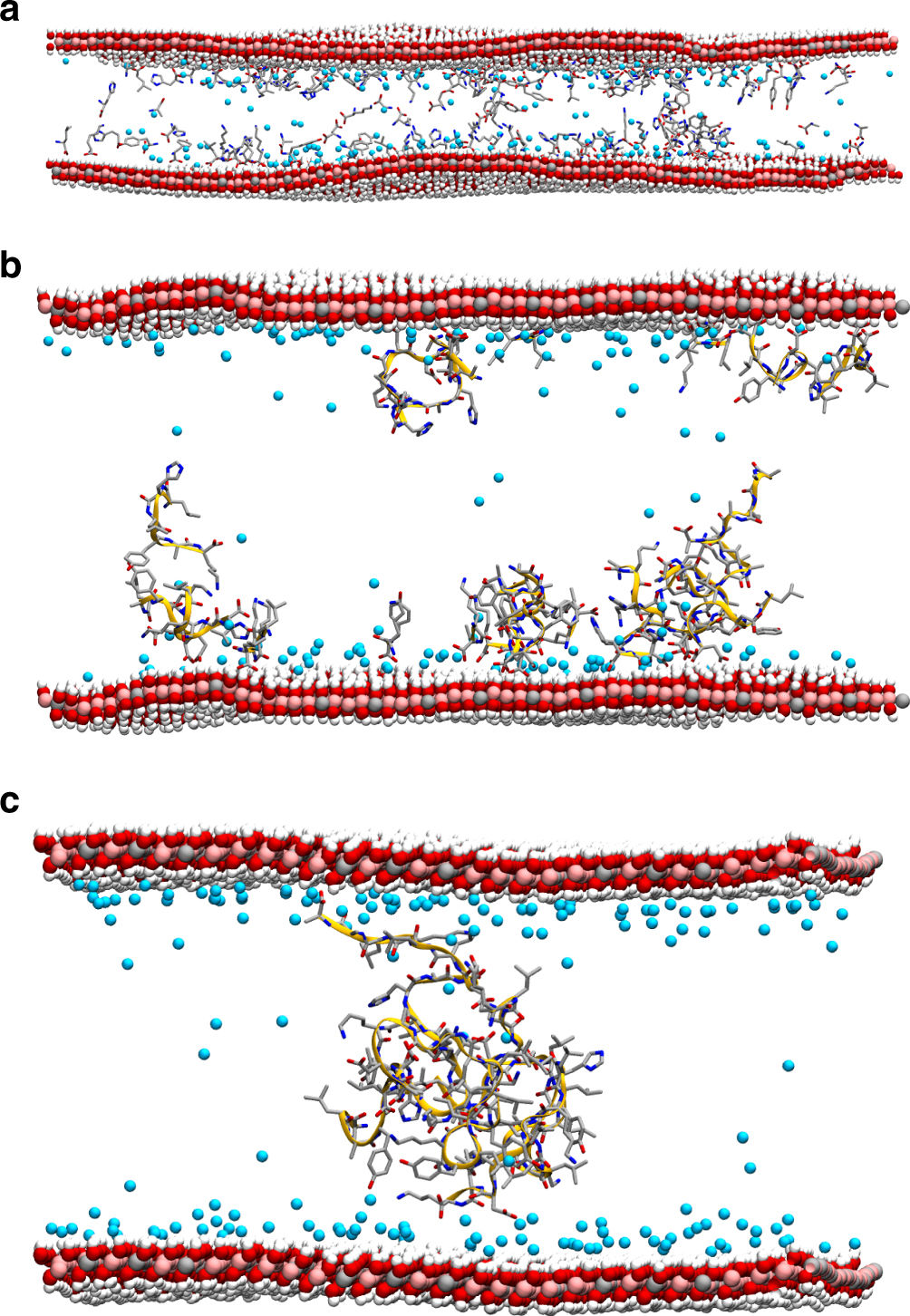
2)  they have been implicated in many origin-of life theories (especially 2:1 phyllosilicates) because they facilitate spontaneous polymerization of complex macromolecules (like RNA) and provide the structural framework for concentration and preservation of these macromolecules;

and 3) They can preserve organic matter from oxidation and radiation, possibly over billions of years…

clay catalysis RNA

Ten reasons why soil matters to you

Why soil? Well..

(Source: Penn State Soil Characterization Lab)

come-on-up-now-yaheah

10. Soil is forgiving….soil is a dynamic resource that can be restored and used again in the lifetime of a human.

9. Unless you live in a houseboat, your house is likely built on soil (even a houseboat is built from wood that came from a tree growing on soil).

8. Care for a beer? Not gonna happen without those plants that just happen to grow in soil.

7. Worried about global warming? Then be happy that soil sequesters about 2x the amount of carbon found in all vegetation and the atmosphere combined!

6. Cotton doesn’t just come from the mall…You get a lot of your clothes from crops that grow on soil.

5. Ever been sick? You probably have taken an antibiotic that was derived from organisms in the soil.

4. Ever drink water from a well or stream? You could likely die of contaminated water if there was not soil to filter water for drinking.

3. Enjoy eating? You would likely starve to death if you could not eat plants that grow in soil.

2. Like breathing? You probably would not be breathing if there was not soil for plants to grow in that produce the oxygen keeping you alive.

1. Imagine a world where nothing that died decomposed. Soil microorganisms are required for breaking down dead things on the surface of earth!


february-2016-and-baja-2-043

The wonderful world of science at Swanton Pacific Ranch

About the Ranch

Swanton Pacific Ranch is located in Santa Cruz County at the northern reaches of California’s Central Coast and the Monterey Bay. The 3,200 acre property is a landscape composed of a majestic redwood forest, lush riverine ecosystems and expansive coastal grassland overlooking the bay and the Pacific Ocean.

Ranch Overview

Recognized for its high biodiversity and abundant resources, this area provides a valuable opportunity to study the methods of resource conservation applied through sustainable management techniques. The ranch was donated to the California Polytechnic State University in 1993 by the late Al Smith. A Cal Poly graduate and founder of Orchard Supply Hardware, Al had specific goals, “…that Swanton Pacific Ranch be maintained as a working ranch and used exclusively for agriculture, recreational, educational purposes”.

This educational and research facility is owned by the Cal Poly Corporation and managed by the College of Agriculture, Food and Environmental Sciences. Faculty, graduate students and undergraduates actively pursue research opportunities, utilizing the forest, range, and watershed resources within the ranch. The ranch hosts a variety of functions some of which include the production of certified natural beef, “U-pick” certified organic apples, hosting of professional meetings and workshops, and courses offered by the Department of Natural Resource Management.

0896

Natural Diversity as a Living Laboratory

Situated at the northwest end of Santa Cruz County and occupying circa 30 square miles of sharply contrasted terrain, the Scott Creek Watershed concentrates within its geomorphological boundaries, at least 10-12% of California’s flora, both native and introduced.

The Scott Creek Watershed and its environs, is more than an aggregation of
600+ native species (subspecies, varieties and forms), representing 282+ genera and 90+ families: it is that rare occurrence, a living window into California’s evolutionary past, still relatively undeveloped by human activity and spared the habitat degradation that has befallen much of the coastal ecology elsewhere in our state.


What exactly does a soil scientist do?

Well, the answer is a multitude of things!

For one, soil scientists measure soil nutrient levels to discover the “goldilocks” level of fertilizer application for crops like cotton, corn, and wheat, which is important for sustaining life on earth and reducing pollution from excess fertilizers!

Here, David Weindorf  of Texas Tech demonstrates the use of a new tool – portable X-ray fluorescence spectrometer, which gives rapid and accurate results about what elements are found in soil. Pretty sweet stuff.

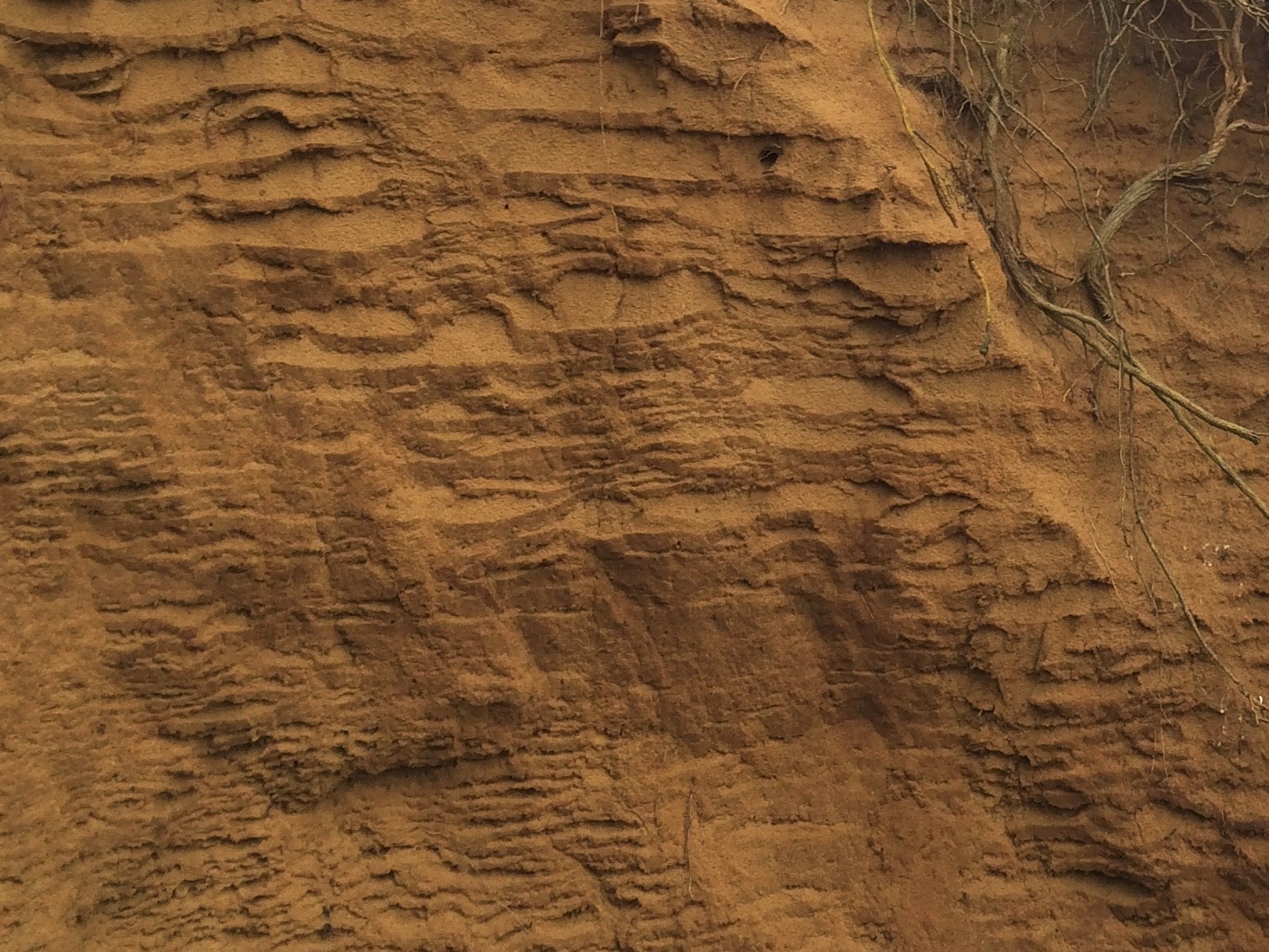
Soil lamellae!

Soil lamellae are wonderful and striking features that form from a variety of processes.

They are typically seen in sandy, young soils or sediments.

The most frequent mode of formation is the downward movement of small clay particles and/or iron oxides.  Lamellae form as percolating soil-water carries small amounts of clay down a sandy soil profile .

First Big Upload January 2016 905
Soil lamellae in the Oceano soil series (thermic Lamellic Xeropsamments), Hazard Canyon, Montana De Oro state park, CA.  Each lamellae is 1-4cm thick. Note the increasing density of lamellae further down in profile


From Mike Badzmierowski, Virginia Tech:

“Water infiltrating the soil will work its way down following the least resistive pathways. The boundary between soil that has been wetted and the unchanged soil is known as the wetting front. If the clay in suspension is near the edge of the wetting front, the clay will be deposited in a contorted initial lamella.” This deposited lamella may act as a filter for future wetting fronts, depositing clay particles and thickening in a snowball-type effect, but flattened into a layer instead of a ball or nodule.


Lamellae_crop

The presence of lamellae in eolian and fluvial sediment deposits indicates marine sediments that are exposed to subaerial pedogenic conditions can turn a marine sediment into a poorly developed, sandy, young soil –  fairly rapidly. With  continued clay and iron oxide transport into  into lamellae layers over hundreds of years, a weakly-developed illuvial B – horizon is able to form (see picture below).

If you ever see soil lamellae when it is raining, get excited, because you are seeing  soil forming in front of you eyes!